When coaching programs struggle, coaches often carry the weight of the disappointment. Districts may question whether coaches are making an impact, whether teachers are engaging, or whether student outcomes are improving. But in many cases, the real issue isn’t the coach…. it’s the system surrounding the coach.
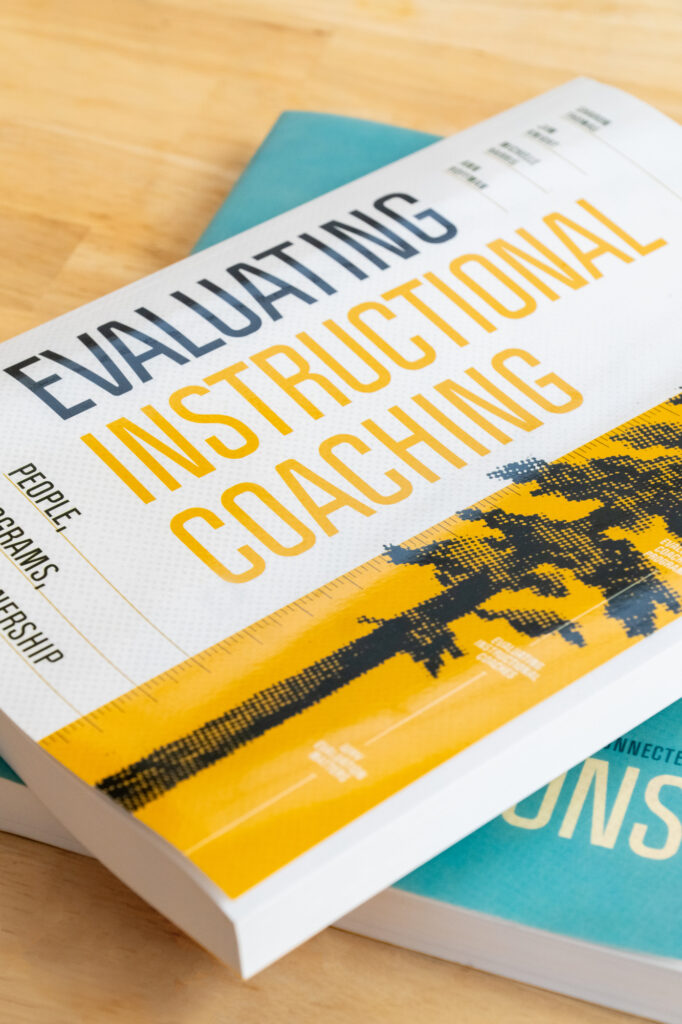
In Evaluating Instructional Coaching, we explore an essential idea: coaching success depends as much on leadership and system support as it does on the skill of the coach. In fact, leaders often bear equal, or even greater, responsibility for whether coaching succeeds.
Coaches cannot thrive in systems where roles are unclear, confidentiality is compromised, time is constantly interrupted, or coaching is treated as one more initiative to “manage.” As we say in the workshop, “Coaches can’t solve problems leaders create. Only leaders can do that.”
That’s why meaningful evaluation of coaching must go beyond observing coaches or measuring outcomes. We also need to ask deeper questions about the conditions leaders create for coaching to succeed.
- Do leaders clearly communicate the purpose of coaching?
- Do coaches have protected time for meaningful work with teachers?
- Do teachers feel psychologically safe engaging in coaching partnerships?
- Are administrators modeling partnership, growth, and learning themselves?
These questions matter because leadership decisions shape the culture in which coaching lives.
When administrators intentionally support coaching, through clarity, encouragement, trust, and alignment, coaches are far more likely to engage teachers in deep learning that positively impacts students. But when those supports are missing, even the most skilled coaches can struggle.
In our upcoming Evaluating Instructional Coaching workshop, participants will explore how to evaluate not only coaches, but also the systems that influence coaching success. Together, we’ll unpack practical ways leaders can create the conditions where coaching, teaching, and learning thrive.