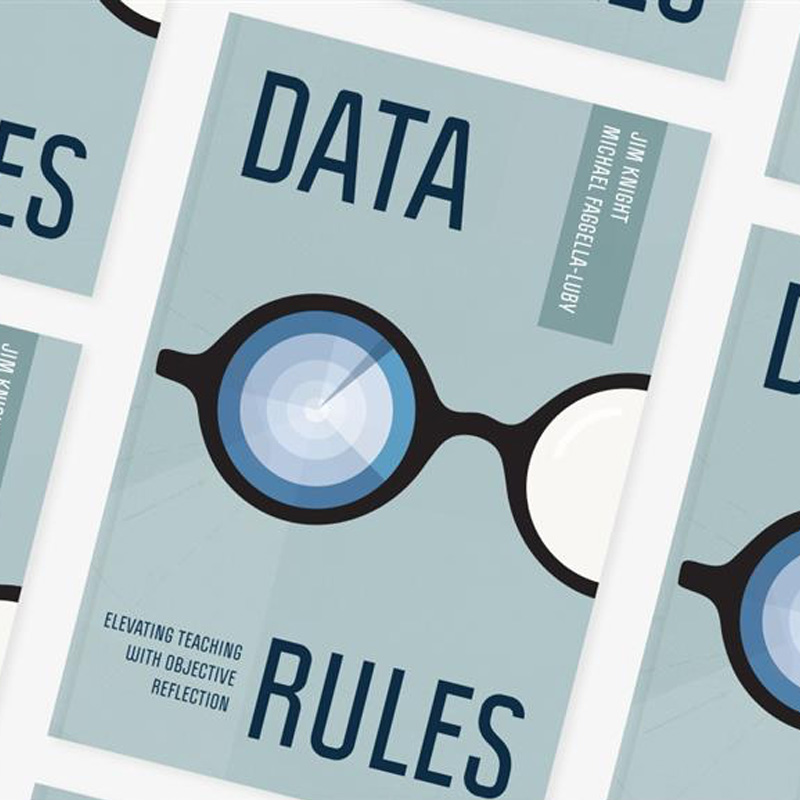
In schools today, the way we use and talk about data can either build momentum for growth—or shut it down entirely. In their book Data Rules, Jim Knight and Michael Faggella-Luby outline ten principles that should guide how educators engage with data in meaningful, supportive ways. One of the most important insights they explore is that data isn’t just about numbers or charts. It’s about people. And how people feel during data conversations matters just as much as the data itself.
Data Conversations Are Identity Conversations
When teachers look at data, especially when that data points to something that’s not working, it’s easy for them to feel vulnerable. Often, those conversations unintentionally become more about identity than instruction. And when someone feels their identity is threatened, their first instinct is usually to defend—not to reflect.
As Stone and Heen write in Thanks for the Feedback, identity-triggering feedback can leave us feeling “overwhelmed, threatened, ashamed, or off balance.” That’s why, in their work, Jim and Michael have found that the most effective conversations about data aren’t just rooted in the right rules—they’re grounded in a deep understanding of identity.
Four Identity Factors That Shape Data Conversations
Jim and Michael have identified four identity-related factors that can either strengthen or derail data conversations:
1. Good Character
If the way we share data makes someone feel like we’re questioning their integrity or values, the conversation becomes about defending character, not improving practice. A good starting point? Assume positive intent.
2. Competence
No one wants to feel incompetent. If feedback implies a lack of skill or ability—even unintentionally—it can trigger defensiveness. Instead, frame data as a tool for growth, not judgment.
3. Acceptance
We all want to feel seen and valued. If a teacher senses rejection from the person sharing data—even subtle disapproval—it can make it hard to focus on the message. Relationship matters just as much as content.
4. Control
People are more likely to embrace change when they feel ownership. Telling teachers what to do might earn short-term compliance, but it won’t build long-term commitment. Partnering with teachers in goal-setting and data collection empowers them to drive their own growth.
From Data to Partnership
Ultimately, data should be used to fuel partnership conversations—those grounded in mutual respect, shared thinking, and authentic dialogue. These conversations increase—not diminish—competence and confidence. They’re energizing, not draining. And they work best when teachers have a voice in the process: choosing their own goals, gathering their own data, and using that information to make meaningful changes.
In a profession built on learning, the way we talk about data should reflect our deepest values: respect, trust, and the belief that everyone can grow.