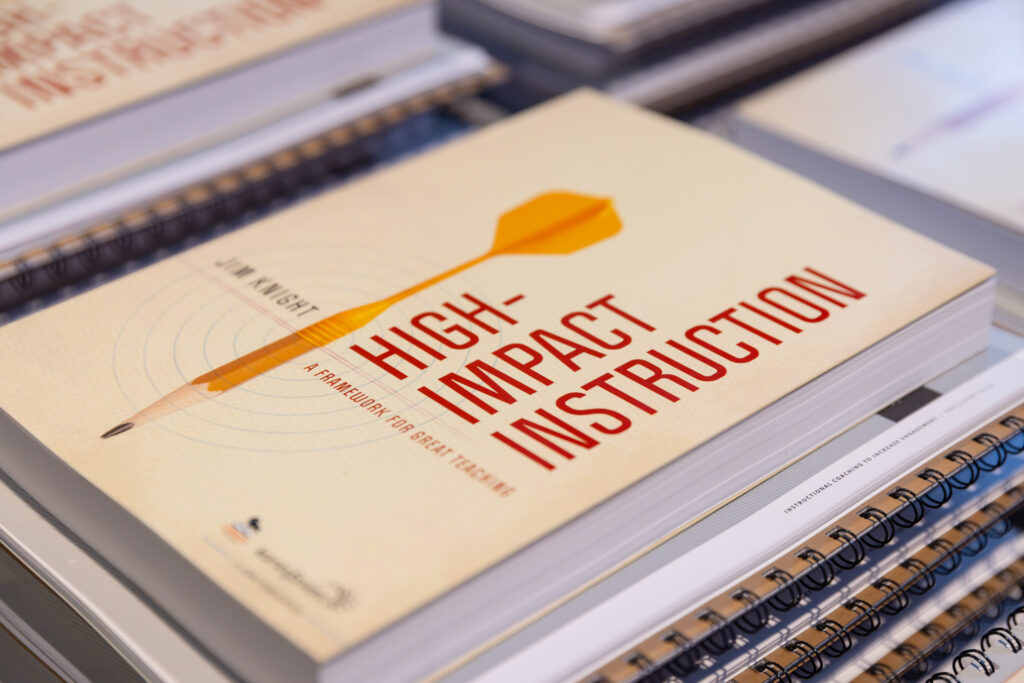
Every teacher knows that small misbehaviors can quickly snowball into big disruptions if not handled early. Jim Knight, in High Impact Instruction, reminds us that “many chaotic learning environments or major conflicts between teachers and students can be avoided if problematic behavior is nipped in the bud.” The key, he explains, lies in staying calm, consistent, and intentional—what he calls fluent corrections.
Fluent corrections are about handling disruptions smoothly and respectfully so that the classroom community remains strong. Instead of reacting emotionally, effective teachers stay grounded and see correction as part of learning. Knight urges us to “name it, reframe it, and tame it.”
- Name it: Recognize the behaviors that push your buttons—your “hot triggers.”
- Reframe it: Remind yourself that most misbehavior says more about a student’s needs than about you.
- Tame it: Pause, breathe, or paraphrase before responding so emotions don’t take over.
Knight compares a teacher’s calm presence to a leader who “must exude a calm attitude, no matter how tense the situation is.” When teachers remain steady, students mirror that composure. Our calm keeps everyone anchored.
Planning is another cornerstone of fluent corrections. Knight suggests listing the most common misbehaviors you face and deciding in advance how to respond the first, second, and third time they occur. For example, you might nonverbally cue a student the first time they talk out of turn, gently redirect them the second, and privately discuss consequences the third. This preparation frees your mind to focus on teaching instead of reacting in the moment.
And consistency? It’s crucial. “What was unacceptable yesterday must be unacceptable today and tomorrow,” Knight writes. When we respond predictably, students feel secure; they know the boundaries and trust that we’re fair.
Finally, fluent corrections should be immediate and smooth. Address behavior as soon as it occurs, but without fanfare. A quick, calm correction like, “Let’s get back to our work,” keeps the class moving and maintains student dignity.
Fluent corrections aren’t just about managing behavior — they’re about protecting relationships and preserving the flow of learning. When we correct with calmness, consistency, and compassion, we teach more than academics. We teach self-regulation, empathy, and respect. The true foundations of community.
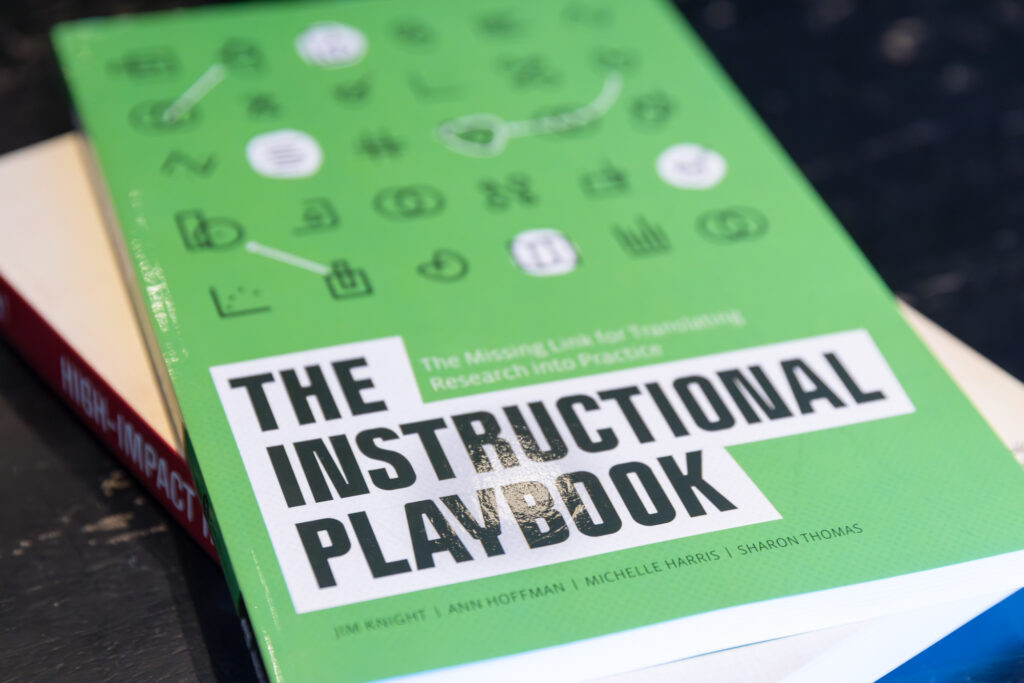
Learn more about this an similar content in our High Impact Instruction workshop.