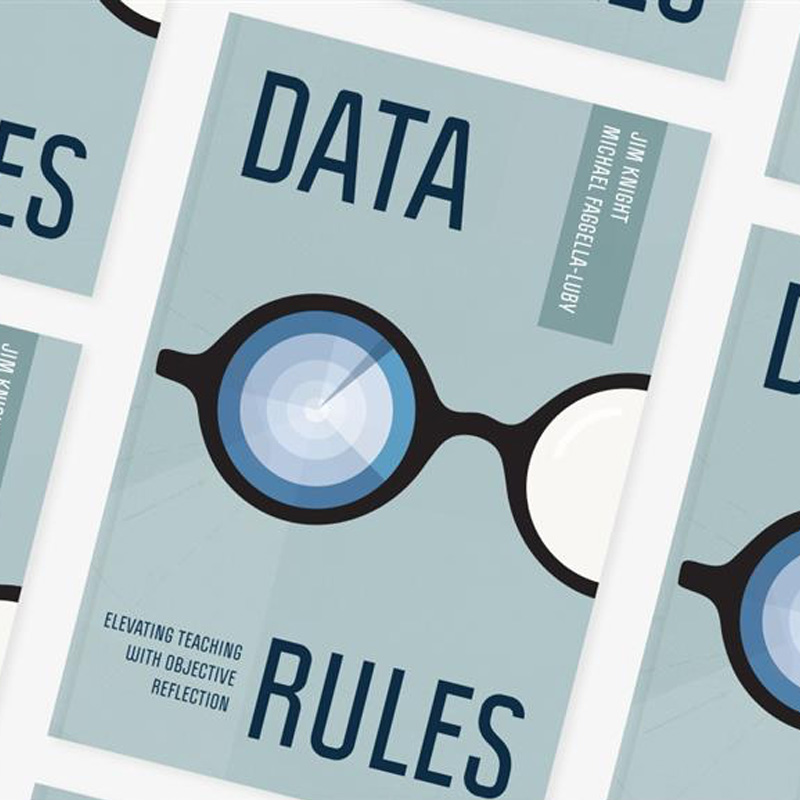
(Inspired by Chapter 6 of Data Rules by Jim Knight)
One of the most common challenges educators face when using data isn’t a lack of information, rather it’s knowing what kind of information to gather.
In Data Rules, Jim Knight reminds us that learning is complex. It unfolds over time, shows up in different ways, and occurs at different levels. When we rely on a single type of data to understand learning, we risk missing what’s actually happening.
Chapter 6 invites us to think more carefully, and more flexibly, about the tools we use to assess learning.
Not all learning looks the same
Some learning is about knowledge, some is about skills, and some reflects habits, engagement, or thinking. Some learning also shows up gradually, in small shifts that matter deeply but aren’t easily captured by a test score.
Because learning varies, the tools we use to assess it should vary as well.
Rather than asking, “What data do we have?” a more useful question is:
“What kind of learning are we trying to understand?”
Matching tools to the kind of learning
Chapter 6 highlights the importance of selecting assessment tools that align with the learning goal. For example:
- When the goal involves student understanding or misconceptions, tools like exit tickets, short formative checks, or student explanations can provide insight.
- When the focus is on instructional practices, classroom observations, video recordings, or checklists can help create an accurate picture of what’s happening.
- When the goal centers on student engagement or behavior, tracking tools, observation protocols, or simple tallies can reveal patterns over time.
- When learning involves growth over time, trend data, work samples, or portfolios can show progress that single snapshots miss.
No single tool tells the whole story, but the right tool can illuminate the part of the story you need to see.
Levels of learning matter, too
Another key idea from Chapter 6 is that learning happens at different levels. Early learning may be tentative and uneven. Later learning becomes more consistent and transferable.
This means that the data we gather early in a learning cycle might look different from the data we gather later. Early data can help us understand direction and readiness. Later data helps us see impact and refinement.
When we expect “final” evidence too soon, we risk discouraging both teachers and students. When we choose tools that match the stage of learning, data becomes supportive rather than pressuring.
Data as a support for reflection, not judgment
A central message of Data Rules is that data should serve learning, not evaluation.
When educators use a range of tools thoughtfully, data becomes a mirror rather than a verdict. It helps answer questions like:
- What’s working so far?
- What’s beginning to change?
- What might we try next?
This approach fosters curiosity, partnership, and agency, especially when data is used within a coaching conversation or improvement cycle.
Choosing tools with intention
The goal isn’t to use more tools. It’s to use the right tools.
Chapter 6 encourages educators, coaches, and leaders to:
- Clarify the learning goal
- Identify the kind and level of learning involved
- Select tools that provide the clearest, most useful evidence
- Revisit and adjust tools as learning evolves
When we do this, data becomes less about compliance and more about insight.
Moving Forward
Assessing learning well requires judgment, flexibility, and care. As Chapter 6 of Data Rules makes clear, powerful data practices don’t depend on a single measure rather they depend on thoughtful choices.
By expanding the range of tools we use to see learning, we give ourselves, and our students, a better chance to grow.