Instructional coaching can have a powerful impact, but only when the program is set up so coaches can coach, teachers can choose, and everyone can learn.
So when people ask, “How do we measure whether our coaching program is successful?” what they often mean is, “How do we prove it worked?”
That’s a fair question. But if we focus only on “proving” success, we can end up measuring the wrong things and missing what actually makes coaching effective.
A better approach is to see evaluation as a tool for learning, not judgment. When evaluation respects professionalism and focuses on growth, it creates the conditions where coaching, and teaching, can improve.
Start with the System, Not the Individual
At the individual level, we might ask: Is this coach effective?
At the program level, the question is different: Is our system set up so coaching can succeed?
That shift matters.
In many schools, leaders are responsible for coaching programs but don’t have tools designed specifically for coaching. So they adapt teacher evaluation tools. The result? Data without clarity.
Program evaluation should reduce that “fuzziness.” It should make the invisible visible so leaders can see what’s actually happening and where to improve.
Define What Success Looks Like
One practical way to evaluate a coaching program is to start with clear standards.
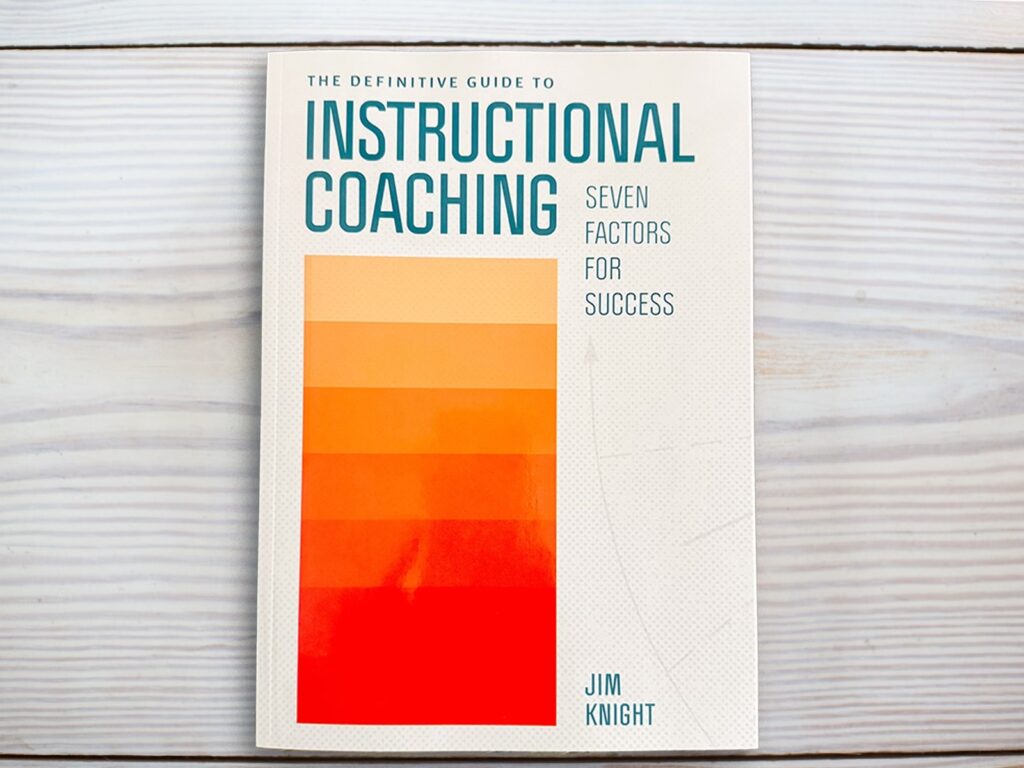
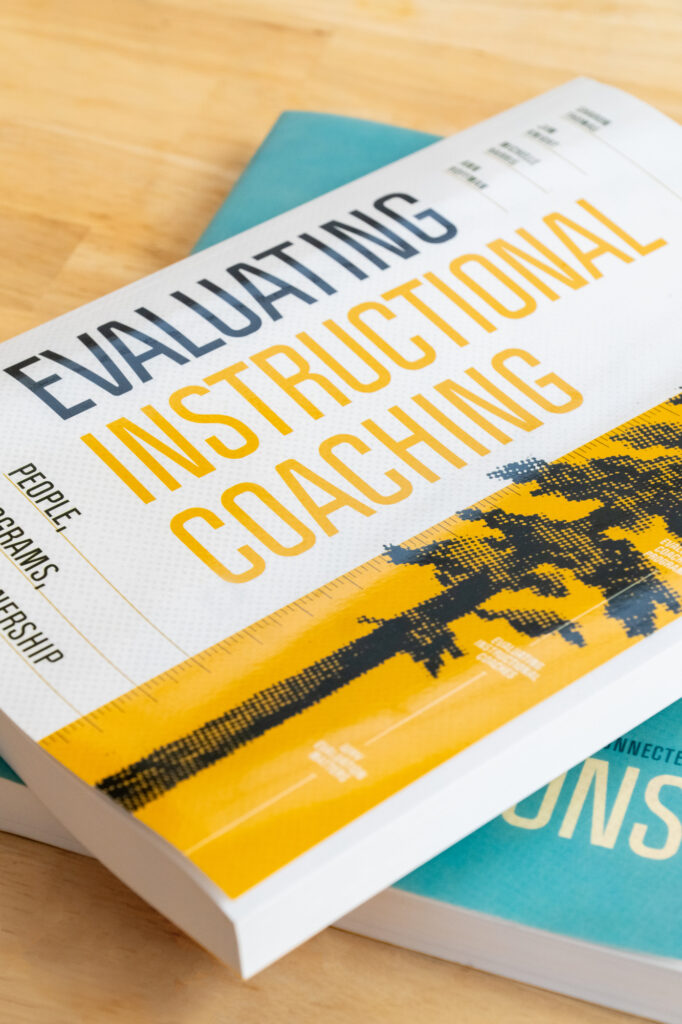
In Evaluating Instructional Coaching, we describe a rubric built around the Seven Success Factors. Instead of guessing whether a program is working, leaders can look for concrete evidence of key practices.
For example:
- Are coaches partnering with teachers in ways that honor choice and voice?
- Is the Impact Cycle being used consistently?
- Do coaches have the time, clarity, and support they need to do real coaching?
This shifts the conversation away from assumptions, like “our coaches are busy, so things must be going well”, and toward observable reality.
Don’t Expect Results Without Support
One of the most important factors in program success is system support.
If coaches don’t have:
- clear roles,
- protected time, and
- strong confidentiality boundaries,
then it’s unrealistic to expect meaningful results.
In fact, when those conditions aren’t in place, what we’re measuring isn’t coaching…. it’s something else entirely.
Before asking, “Are we getting results?” leaders should ask, “Have we created the conditions for success?”
A Simple Way to Evaluate Your Program
Program evaluation doesn’t have to be complicated. It can be as simple as a regular cycle:
- Audit
Twice a year, review your program using a clear set of standards. Identify a few pieces of evidence for each one—like schedules, surveys, or artifacts. - Analyze
Look for the biggest barrier to success. Often, it’s something foundational like time, role clarity, or confidentiality. - Act
Set one or two focused goals. For example:
- protect coaching time,
- clarify the coaching role, or
- strengthen principal support.
This kind of focused improvement is far more powerful than trying to fix everything at once.
A Few Important Cautions
If evaluation is going to help, not hurt, coaching, there are a few things to keep in mind.
Avoid the “emergency mindset.”
When coaches are constantly pulled into other duties, coaching disappears and so does the ability to measure its impact.
Protect trust.
Teachers need to feel safe to be honest. Evaluation should never undermine confidentiality or choice.
Be realistic about results.
Student outcomes matter, but they’re only part of the picture. Strong programs pay attention to both implementation and impact.
Where to Start
If you’re leading a coaching program, a few simple steps can make a big difference:
- Start with a baseline audit using clear standards.
- Focus on a small set of meaningful indicators.
- Improve system support before expecting bigger results.
When we evaluate coaching this way, we move from trying to prove success to actually creating it.